You finally worked up the courage to ask your doctor about hormone therapy. Maybe it took years. Maybe you had to push for it. And then you tried it, and nothing changed. Or it helped a little but not enough. Or it made you feel worse.
If that is your story, please know this: you did not fail HRT. HRT failed you. And there is a very specific reason why.
The Most Common Reason HRT Does Not Work
The standard hormone therapy most doctors prescribe is estradiol, oftern with progesterone or a synthetic progestin if you have a uterus. That is it.
The problem is that is only part of a much larger picture. Your body uses multiple hormones that work together. When only one is addressed, the others continue to decline, and you continue to feel the effects of that decline.
Think of it like a four-legged chair. If one leg is repaired but three are still broken, the chair still does not work.
What a Complete Protocol Actually Looks Like
A truly effective hormone therapy protocol addresses all of the following.
Two types of estrogen, not one. Estriol and estradiol work on different receptors in your body. Together they provide broader symptom relief and better protection for breast tissue, bones, and brain than estradiol alone ever could. Most standard prescriptions only include estradiol.
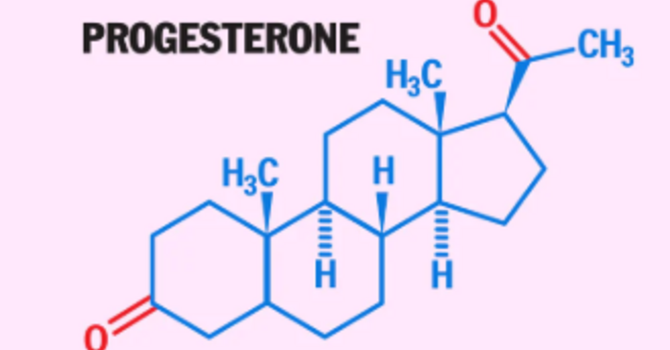
Progesterone. Real progesterone, not synthetic progestin. These are not the same thing. Real progesterone supports sleep, calms the nervous system, protects the uterus, and is breast cancer protective. Synthetic progestin does not have the same benefits and carries risks, such as increased breast cancer risk.
Testosterone. Most women are shocked to learn they need testosterone. But testosterone plays a direct role in energy, motivation, muscle strength, libido, and confidence. It drops significantly during perimenopause and menopause, and leaving it unaddressed means leaving a major piece of your well-being untreated.
DHEA. A precursor hormone that supports energy, immune function, and overall vitality.
The Quality of Your Hormones Matters Too
Not all hormone therapy is created equal. Mass-produced patches, creams and pills contain synthetic ingredients, fillers, dyes, and preservatives that can affect how your body absorbs and responds to them.
Bioidentical hormones compounded in 100% organic oil are structurally identical to the hormones your body produces naturally. They are absorbed more cleanly and are free from unnecessary additives. For many women who felt nothing from standard HRT, switching to clean compounded bioidentical hormones makes an immediate difference.
Your Dose May Have Been Wrong
Hormone dosing is not one size fits all. A dose that works for one woman may do nothing for another. Standard prescriptions often ha a limited number of dose options which means many women are under-dosed or over-dosed
and never reach the level where they actually feel a difference.
Proper hormone therapy requires dosing based on symptoms, not just lab numbers, and adjusting over time as your body responds.
What to Do Next
If you have tried HRT and it did not work, ask these questions before giving up.
Were you on estradiol only, or did your protocol include estriol, progesterone, testosterone, and DHEA? Were your hormones compounded in organic oil or were they mass-produced synthetic formulations? Was your dose adjusted based on how you felt, or was it set and never revisited? Did your doctor spend real time with you evaluating your full symptom picture?
If the answer to any of those is no, you have not truly experienced what complete, personalized bioidentical hormone therapy can do.
You Have Not Run Out of Options
Most women who come to Dr. Anat Sapan after failed HRT find that a complete, multi-hormone protocol makes a profound difference. The approach is different because it is complete.
Book a free discovery call to talk through what you have already tried and find out whether a different approach might finally give you the results you have been looking for.

Anat Sapan, MD
Contact Me