One of the most common questions women ask before starting bioidentical hormone therapy is simple.
How long until I feel better?
It is a fair question. You have probably been feeling off for a long time. Maybe years. You want to know when the fog lifts, when the sleep comes back, when you start feeling like yourself again.
Here is what most women experience, week by week, based on what I see consistently in my practice.
Step 1: Your Onboarding Session
After your complimentary discovery call, if you decide you want to move forward, you will schedule an onboarding session with me. This is where your care actually begins.
During your onboarding session I will go through your full health history, your goals, and your complete symptom picture. If you have any existing labs, bring them. If not, no problem. I will plan out exactly which labs to order so I have a complete baseline of where you are right now.
From there I will teach you how to use your custom-compounded hormones, which are prepared in 100% organic oil with no fillers, dyes, or synthetic additives. Your starting protocol is built around your symptoms and your personal medical history. No two patients start on the same plan.
Weeks 1 and 2: The Adjustment Period
Most women do not feel dramatic changes in the first two weeks. Your body is adjusting to hormones being reintroduced and it takes time for levels to build and stabilize.
Because I use a titrating protocol, your doses are increasing incrementally each week. This means your body is not hit with a fixed dose from day one. Instead hormone levels rise gradually and comfortably toward where they need to be.
Some women notice small shifts early. Sleep may feel slightly different. Some report feeling a little more calm. Others notice nothing yet and wonder if it is working.
This is normal. Be patient with your body during this phase.
Weeks 2 to 4: The First Signs
This is typically when women start noticing something is beginning to shift. It is subtle at first. The most common first changes are these.
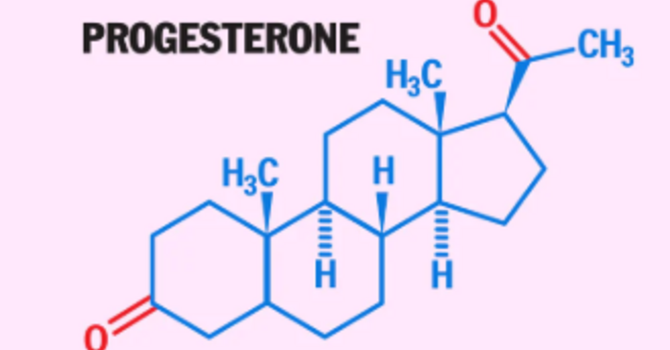
Sleep improves. This is often the first and most noticeable shift. Progesterone directly supports the nervous system's ability to rest, and many women find they are falling asleep more easily or staying asleep longer for the first time in years.
Mood begins to stabilize. The edge comes off. The anxiety and irritability that felt constant starts to feel more manageable.
Hot flashes begin to reduce in frequency or intensity.
Not every woman experiences all of these in weeks two to four. Some women notice one change clearly while others feel a more gradual overall shift. Either is completely normal. Your body is adjusting at its own pace.
Weeks 4 to 6: Building Momentum
By weeks four to six most women report that something has genuinely and noticeably changed. Energy starts returning. Brain fog begins to lift. The feeling that something was deeply wrong starts to give way to something closer to normal. This is the phase where most women say they can feel the momentum building.
This is also the phase where some fine-tuning happens. I review how you are responding and adjust doses if needed. Getting hormones right is not a set it and forget it exercise. It requires listening to how your body is responding and refining accordingly.
Because my model is all-inclusive and concierge-based, you can make as many appointments as you need during this phase. You are never left wondering what to do next or waiting weeks for a follow-up.
Weeks 6 and Beyond: Feeling Like Yourself Again
For most women the six-week mark and beyond is where the biggest cumulative shift is felt. Most patients feel 80% better around this point, though for some it takes a little longer and that is completely normal. Sleep is better. Mood is more stable. Energy has returned. Brain fog has lifted. Hot flashes are reduced or gone.
Many women describe this phase as feeling like themselves again for the first time in years. Not a younger version of themselves. Just themselves, functioning the way they are supposed to.
What If You Are Not Feeling Better by Week 6?
Some women take longer. Factors like how long hormones have been depleted, thyroid function, stress levels, and overall health can all affect the timeline. If you are not where you want to be at six weeks, that is not a sign the therapy is not working. It is a signal to revisit the protocol and make adjustments.
This is exactly why ongoing access to your doctor matters. Hormone therapy is not a one-time prescription. It is a relationship between you, your doctor, and your body over time. In my practice you never have to wait for permission to reach out. If something does not feel right, we address it.
The Bottom Line
Most women feel a meaningful difference within 2 to 6 weeks. Sleep and mood often shift first. Energy and mental clarity follow. By six weeks and beyond most patients say they feel like themselves again.
If you are ready to find out what that feels like, book a complimentary discovery call at doctoranat.com. No pressure, no commitment. Just a real conversation about where you are and what is possible.
Book your complimentary discovery call at doctoranat.com
Hormone Therapy Is One Piece of a Larger Picture
Getting your hormones balanced is transformative. But in my practice I always tell my patients that HRT works best when it is supported by four foundational pillars of health. These are not optional extras. They are essential parts of feeling your absolute best.
Sleep. Hormones and sleep are deeply interconnected. Progesterone directly supports your ability to fall and stay asleep, which is why sleep is often one of the first things that improves on a proper protocol. But good sleep hygiene matters too. Consistent sleep and wake times, a cool dark room, and limiting screens before bed all support the hormonal work we are doing together.
Nutrition. What you eat directly affects how your hormones function and how your body responds to therapy. Focusing on whole foods, adequate protein, healthy fats, and minimizing processed foods and sugar gives your hormones the raw materials they need to do their job. This is not about dieting. It is about fueling your body appropriately for this stage of life.
Exercise. Movement is medicine, especially during perimenopause and menopause. Weightlifting and resistance training two to three times a week is one of the most important things you can do for your body as you age. It maintains and builds lean muscle mass, supports bone density, improves insulin sensitivity, and boosts metabolism, all of which decline significantly with hormonal changes. Muscle is not vanity. It is longevity. Cardiovascular exercise matters too for heart health and mood, but if you are only going to add one thing, make it strength training. Even 30 minutes of movement most days makes a meaningful difference in how you feel and how well your hormones work.
Stress Management. Chronic stress elevates cortisol, which directly interferes with your hormonal balance. No matter how well your protocol is dialed in, unmanaged stress will work against it. Whether it is meditation, breathwork, time in nature, therapy, or simply protecting your time and boundaries, finding what works for you to manage stress is not a luxury. It is a clinical necessity.
HRT addresses the hormonal root of what you have been experiencing. These four pillars give your body the environment it needs to truly thrive. Together they are far more powerful than any one of them alone.
Frequently Asked Questions
How long does bioidentical hormone therapy take to work? Most patients feel 80% better within the first 2 to 6 weeks, though for some it takes a little longer and that is completely normal. Sleep and mood often shift first, followed by energy, mental clarity, and overall well-being. The titrating protocol used in this practice brings hormone levels to where they need to be gradually and comfortably.
What is a titrating hormone protocol? A titrating protocol increases hormone doses incrementally each week rather than starting at a fixed dose. This allows hormone levels to rise gradually and comfortably toward where they need to be, bringing results more naturally and with fewer adjustment side effects than a standard fixed-dose approach.
What happens at the onboarding session? Your onboarding session covers your full health history, goals, and complete symptom picture. Labs are ordered to establish a baseline. Dr. Sapan teaches you how to use your custom-compounded hormones and builds your starting protocol around your specific symptoms and medical history.
What if I do not feel better in 6 weeks? Some women take longer depending on how long hormones have been depleted, thyroid function, stress levels, and overall health. If you are not where you want to be at six weeks, that is a signal to revisit and adjust the protocol, not a sign that hormone therapy is not right for you. Ongoing access to Dr. Sapan means adjustments happen quickly and you are never left without answers.
Can I contact Dr. Sapan between appointments? Yes. The all-inclusive concierge model means you can make as many appointments as you need and have your questions answered in a timely manner. You are never left wondering what to do next or waiting weeks for follow-up care.
What is included in the all-inclusive fee? Your all-inclusive fee covers your custom-compounded bioidentical hormones prepared in 100% organic oil, your onboarding session, all follow-up consultations, and ongoing protocol adjustments as your body responds. There are no surprise costs and no insurance complications.
Why is weightlifting important during menopause? Women lose muscle mass at an accelerated rate during perimenopause and menopause due to declining estrogen and testosterone. Weightlifting and resistance training two to three times a week directly counteracts this by building and maintaining lean muscle, supporting bone density, improving metabolism, and boosting energy levels. Combined with a proper hormone protocol, strength training is one of the most powerful things a woman can do for her long-term health and vitality.
Dr. Anat Sapan is a board-certified OB-GYN and menopause specialist, exclusively focused on personalized bioidentical hormone therapy for women in their 40s, 50s, 60s, and beyond. She serves patients via telemedicine in California, Florida, New York, and Illinois.

Anat Sapan, MD
Contact Me