If you are in your 40s or 50s and watching the scale move despite eating the same way you always have, you are not imagining it. Menopause changes your metabolism in real, measurable ways. Estrogen plays a central role in how your body distributes fat, maintains insulin sensitivity, and regulates appetite. As estrogen declines, visceral adiposity, the deep abdominal fat that wraps around your organs, tends to increase. Insulin sensitivity decreases. The set point at which your body maintains weight shifts upward. None of this is a willpower problem. It is physiology. Into this landscape, GLP-1 receptor agonists, the class of medications that includes semaglutide (Ozempic, Wegovy) and tirzepatide (Mounjaro, Zepbound), have arrived with extraordinary effectiveness. Women are asking me about them constantly, and rightly so. Here is what I think every perimenopausal and postmenopausal woman should understand before starting one of these medications.
What GLP-1s Actually Do
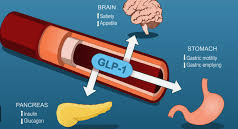
GLP-1 receptor agonists mimic a naturally occurring gut hormone called glucagon-like peptide-1. They slow gastric emptying, reduce appetite, improve insulin secretion in response to meals, and act on the brain's satiety and reward circuits to reduce food-seeking behavior. The weight loss in clinical trials has been substantial. Women, including peri- and postmenopausal women, lose amounts of weight comparable to men on these medications, with particular reductions in visceral adiposity and improvements in insulin sensitivity and inflammatory markers. For women in midlife cardiometabolic risk is a serious concern, and these effects are genuinely meaningful.
What Menopause-Specific Concerns Are Not Being Discussed
The mainstream GLP-1 conversation is almost entirely devoid of menopause-specific context. Here is what you need to know. Lean mass loss is the first concern. GLP-1s produce significant weight loss, but a meaningful portion of that weight loss is lean mass, not just fat. In perimenopausal and postmenopausal women who are already experiencing accelerated muscle loss due to declining estrogen and testosterone, this is not a trivial concern. Losing muscle in midlife increases frailty risk, reduces metabolic rate further, and makes long-term weight maintenance harder. Anyone using these medications must be doing structured resistance training and consuming adequate protein, minimum 1.2 grams per kilogram of body weight per day, as non-negotiables. Bone density is the second concern. Rapid weight loss of any kind can reduce bone mineral density. In postmenopausal women who are already at elevated risk for osteoporosis, this warrants baseline and follow-up DEXA scanning and, potentially, targeted bone support interventions. Gallbladder issues are the third. GLP-1s increase gallstone risk, partly by slowing gallbladder emptying. Midlife women are already at elevated baseline gallstone risk. This is something to discuss with your physician, particularly if you have any gallbladder history. Thyroid function and micronutrient status are less commonly discussed but clinically relevant. Reduced food intake means reduced nutrient intake. Monitoring for deficiencies in vitamin D, B12, iron, zinc, and magnesium is important, as is ensuring thyroid function is not adversely affected in women who are already on the edge of thyroid dysfunction, which is common in this population.
How GLP-1s and Hormone Therapy Interact
This is the question I find most clinically interesting, and it is one that almost no one is addressing in the public conversation. Estrogen and GLP-1 receptor agonists appear to work synergistically on several metabolic pathways. Estrogen improves insulin sensitivity independently. GLP-1s improve it through different mechanisms. Together, for the right patient, the combination may produce better cardiometabolic outcomes than either alone. There is also emerging evidence that adequate estrogen levels may enhance the efficacy of GLP-1 receptor agonists and help mitigate the lean mass loss. This is preliminary, but it aligns with the known biology and it is a reason why, in my practice, I do not think of GLP-1s and hormone therapy as either-or. GLP-1s do not replace hormone therapy. They do not address bone loss, vaginal health, sleep, mood, or the cognitive symptoms of estrogen deficiency. For women who need both cardiometabolic support and symptom relief from hormone deficiency, the most comprehensive approach often involves both, thoughtfully sequenced and monitored.
Frequently Asked Questions
Will a GLP-1 medication replace hormone therapy for weight management? No. GLP-1s address weight and cardiometabolic risk through mechanisms separate from estrogen. Hormone therapy addresses the hormonal root of metabolic changes in menopause, including insulin sensitivity, fat distribution, and muscle mass. They target different pathways and for many women are genuinely complementary.
How do I protect muscle mass while on a GLP-1 medication? Structured resistance training two to three times per week and adequate daily protein intake are both essential. This is non-negotiable in the peri- and postmenopausal population where muscle loss is already accelerated by hormonal changes.
Should I check my bone density before starting a GLP-1? If you have not had a recent DEXA scan and you are postmenopausal, it is a reasonable baseline to have before initiating significant weight loss therapy. Rapid weight loss can reduce bone density, and knowing your baseline matters.
Are GLP-1s safe with hormone therapy? Based on current evidence and clinical experience, yes. There are no significant known adverse interactions between GLP-1 receptor agonists and estrogen or progesterone therapy. As always, your full medication picture should be reviewed by your prescribing clinician. If you are ready to get individualized care that reflects where the science actually is, book a complimentary discovery call at doctoranat.com. No pressure, no commitment. Just a real conversation about where you are and what is possible.
Book your complimentary discovery call at doctoranat.com
Dr. Anat Sapan is a board-certified OB-GYN and menopause specialist, exclusively focused on personalized bioidentical hormone therapy for women in their 40s, 50s, 60s, and beyond. She serves patients via telemedicine in California, Florida, New York, and Illinois.

Anat Sapan, MD
Contact Me