I see it constantly in my practice. A woman comes in with every classic sign of hormone imbalance: exhaustion that sleep does not fix, weight gain around the middle that diet cannot touch, anxiety that seems to appear from nowhere, cycles that have become irregular and unpredictable. We run her labs and her estrogen is low, her progesterone is low, and her testosterone is barely detectable. But what her previous doctors missed, and what changes the entire approach to her care, is that her cortisol pattern is completely dysregulated. You cannot successfully balance sex hormones in a body that is drowning in stress hormones. Understanding why requires understanding how your hormonal system is actually organized.
The HPA Axis: Your Body's Master Stress Circuit
The hypothalamic-pituitary-adrenal axis, the HPA axis, is the command and control system for your stress response. When your brain perceives a threat, whether that is a genuine emergency or simply chronic overwork and sleep deprivation, the hypothalamus signals the pituitary gland, which signals the adrenal glands to release cortisol. Cortisol is essential for survival. It raises blood sugar for quick energy, mobilizes fat stores, heightens alertness, and temporarily suppresses functions that are not immediately necessary, including digestion, immune activity, and reproductive hormone production. This system evolved for short-term threats. The problem is that modern chronic stress activates this same circuit continuously, and your adrenal glands cannot distinguish between a tiger in the savanna and a 60-hour work week.
How Cortisol Suppresses Your Sex Hormones
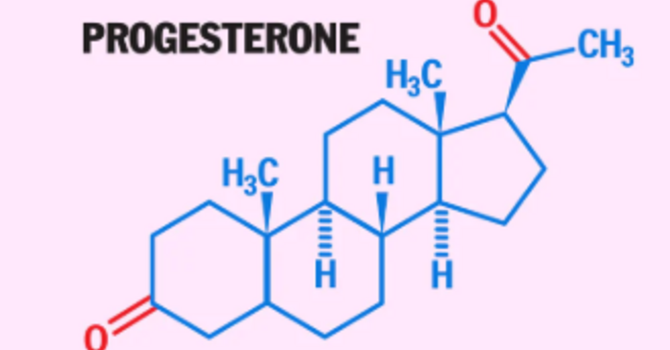
Cortisol and your sex hormones, including estrogen, progesterone, testosterone, and DHEA, are all synthesized from the same foundational molecule: cholesterol, via pregnenolone. When your body is under sustained stress and cortisol demand remains chronically elevated, regulatory signals from the hypothalamus and pituitary are suppressed. Specifically, cortisol directly inhibits the release of gonadotropin-releasing hormone, which in turn reduces LH and FSH, the hormones that drive ovarian function and sex hormone production. This is why chronically stressed women in perimenopause often experience dramatically accelerated hormonal decline. The ovaries are already producing less, and the chronic stress signal is simultaneously suppressing the pituitary signals that would otherwise support what remaining ovarian function exists. The result is a double hit that accelerates every symptom of hormonal insufficiency. DHEA is particularly vulnerable to cortisol elevation. Because both hormones draw from the same pregnenolone precursor pool, and because cortisol production takes regulatory priority in a stressed body, DHEA levels fall as cortisol rises. Since DHEA is the upstream precursor to estrogen and testosterone, low DHEA further compounds the downstream deficiencies in these hormones.
What Cortisol Dysregulation Looks Like
A healthy cortisol pattern follows a diurnal rhythm: high in the morning to support waking and energy, gradually declining through the afternoon, and very low in the evening to allow deep sleep. When this rhythm is disrupted, symptoms depend on which part of the pattern is most distorted. High morning cortisol with a flat curve throughout the day produces anxiety, irritability, poor sleep onset, and difficulty tolerating stress. Low morning cortisol with an elevated evening pattern, which is extremely common in perimenopausal women, produces morning exhaustion, afternoon energy crashes, wired-but-tired evenings, and the inability to fall asleep despite profound fatigue. Both patterns impair sex hormone production, disrupt thyroid conversion, increase insulin resistance, and drive central weight gain.
Why I Evaluate Cortisol Before Adjusting Hormones
When a new patient comes to me with symptoms of hormone imbalance, I do not simply look at estradiol and progesterone in isolation. I want to understand the entire hormonal environment, which includes evaluating cortisol rhythm, DHEA-S, thyroid function, fasting insulin, and inflammatory markers alongside the sex hormone panel. This matters because adding estradiol to a body with a severely dysregulated cortisol pattern can produce unpredictable results. The estradiol does not land in a vacuum. It interacts with a hormonal milieu that, if cortisol-dominant, will not allow it to do its job effectively. I also find that addressing sleep, which is often the single highest-leverage intervention for cortisol regulation, allows the hormone protocol to work far more efficiently. Bioidentical progesterone, through its metabolite allopregnanolone, directly supports GABA receptor activity in the brain and promotes deep, restorative sleep. This creates a virtuous cycle: better sleep lowers cortisol, lower cortisol allows DHEA and sex hormones to recover, and restored sex hormones improve mood, energy, and resilience.
What You Can Do
Supporting the HPA axis alongside hormone replenishment is not optional. It is foundational. This means prioritizing consistent, sufficient sleep as a medical imperative, not a luxury. It means managing blood sugar stability through regular meals with adequate protein and fat, which prevents the cortisol spikes triggered by hypoglycemia. It means incorporating stress regulation practices that genuinely activate the parasympathetic nervous system, including slow breathing, restorative movement, and time in nature. It also means working with a physician who understands that hormone balance is a systems problem, not a single-number problem. If you have been told your hormones are fine because your estradiol number is in range, but nobody has looked at your cortisol rhythm, your DHEA, your fasting insulin, or your thyroid, then you have not had a complete hormonal evaluation. You have had a partial one. And partial answers lead to incomplete healing.
If you have been told your hormones are fine but you still feel like a different person, that conversation is overdue. If you would like to discuss your hormones with someone who will take the full picture seriously, you are welcome to schedule a discovery call.
Dr. Anat Sapan, M.D. is a board-certified OB-GYN and menopause specialist practicing telemedicine in California, Florida, New York, and Illinois.

Anat Sapan MD
Contact Me