If you went to your doctor feeling exhausted, emotional, unable to sleep, and struggling to think clearly, and you left with a prescription for antidepressants, you are not alone. It happens to women every single day. And for most of them, it is the wrong answer.
Here is why it happens, and what you should know.
Your Symptoms Sound Like Depression. But They Might Not Be.
The symptoms of hormonal decline and clinical depression look almost identical on the surface. Both can cause low mood, fatigue, irritability, sleep problems, and difficulty concentrating. When a doctor has 8 minutes with you and no training in hormonal medicine, antidepressants are the fastest answer.
But here is the critical difference. Antidepressants work by changing how your brain processes serotonin. They do nothing to address the actual hormonal changes happening in your body. If your symptoms are driven by declining estrogen, progesterone, and testosterone, an antidepressant will not fix them. At best it may take the edge off. At worst it adds side effects on top of symptoms you already have.
What Most Doctors Are Not Trained to Do
This is not about blaming your doctor. The reality is that most medical training includes very little education on menopause and perimenopause. A 2019 survey found that the majority of OB-GYN residency programs in the United States offered less than one hour of menopause education. One hour. For a stage of life that affects every woman and can last 10 years or more.
So when you walk in with symptoms that could be hormonal, most doctors do not have the tools to investigate that properly. They default to what they know.
The Hormonal Root of What You Are Feeling
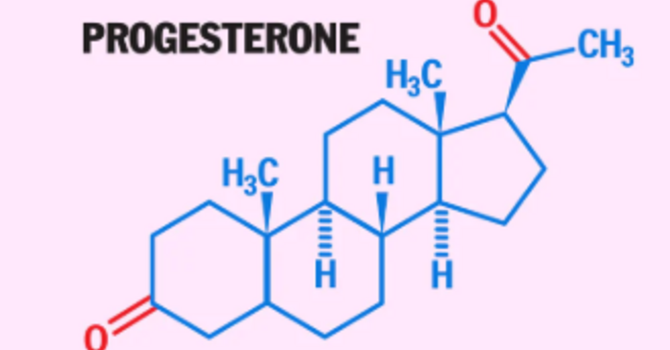
Estrogen, progesterone, and testosterone all affect your brain directly. Estrogen supports serotonin production, which regulates mood. Progesterone has a calming effect on the nervous system and supports sleep. Testosterone affects energy, motivation, and confidence.
When all three decline, which they do during perimenopause and menopause, the result can feel exactly like depression and anxiety. But it is not a mental health problem. It is a hormonal one. And it responds to a very different treatment.
What Should Have Happened Instead
Before reaching for a prescription pad, a thorough hormonal evaluation should have been done. That means looking at estrogen, progesterone, testosterone, DHEA, thyroid, and cortisol together, not just running a basic panel and declaring everything normal.
It also means listening. A doctor who understands hormonal medicine will ask about your sleep, your cycle changes, your energy, your brain fog, your joint pain, and your libido. Those symptoms together tell a story that labs alone cannot.
If You Are Currently on Antidepressants
Please do not stop taking them without speaking to your prescribing doctor first. That is important. But it is absolutely worth asking whether a hormonal evaluation has ever been done, and whether your symptoms might have a hormonal root that has never been properly addressed.
Many women find that once their hormones are properly balanced, they are able to work with their doctor to reduce or eliminate antidepressants they never actually needed.
You Deserve a Real Answer
If you have been on antidepressants for mood, sleep, or anxiety and you have never had a comprehensive hormone evaluation, it is worth asking the question. Your symptoms deserve a real investigation, not a quick fix that may be treating the wrong problem entirely.
Book a free discovery call with Dr. Anat Sapan to find out whether hormonal imbalance is at the root of how you have been feeling.