You lie down. You are exhausted. And then nothing happens. Or you fall asleep and wake at 2 a.m. with your heart pounding, covers soaked, mind already running through tomorrow's list. And then you cannot go back. Midlife insomnia is one of the most universal and most undertreated symptoms of the perimenopausal transition. More than half of women in perimenopause report significant sleep disruption, and the number is even higher in the first few years after menopause. Most of what you have been offered for this problem, if you have been offered anything, is wrong for the mechanism. Sleeping pills address the symptom without touching the biology. Melatonin helps with sleep onset but not with the kind of nocturnal arousal driven by hormonal disruption. And being told it is just stress, when what is actually happening is a neurological and hormonal process, is a form of medical gaslighting that too many women have experienced. Here is what is actually going on, and here is what the evidence supports for addressing it.
The Three Drivers of Midlife Insomnia
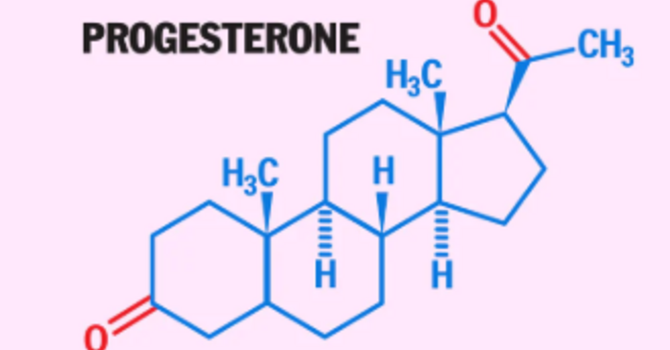
Hot flashes at night are the most obvious driver. Even in women who do not consciously experience the heat sensation, thermoreceptors in the brain are still firing, activating the autonomic nervous system, raising heart rate and cortisol, and pulling you out of deep sleep. You may not remember waking. But your sleep architecture is being fragmented. Progesterone is the second driver. Progesterone has direct sedating effects through its action on GABA receptors, the same receptors that benzodiazepines target. As progesterone falls in perimenopause, this built-in sleep support disappears. Women who restore progesterone levels frequently report that sleep is the first thing to improve, often within the first two to three weeks. Autonomic nervous system dysregulation is the third driver and the most underappreciated. The same hormonal shifts that trigger hot flashes also destabilize the balance between the sympathetic and parasympathetic nervous systems. This shows up as elevated resting heart rate, difficulty winding down, heightened nighttime arousal, and early morning awakening driven by cortisol. It is not anxiety. It is physiology. But it is physiology that responds to targeted interventions.
What the Evidence Supports
Hormone therapy, when it includes progesterone and adequately addresses vasomotor symptoms, is the most comprehensive treatment for the hormonal drivers of midlife insomnia. In my practice sleep is consistently one of the earliest things to improve, often before energy, mood, or other symptoms. Cognitive behavioral therapy for insomnia, known as CBT-I, is the gold-standard psychological intervention and is more effective than sleeping pills for chronic insomnia across the long term. It is not just about sleep hygiene. It addresses the conditioned arousal, the hypervigilance, and the catastrophic thinking around sleep that develops after months of disrupted nights. For women whose insomnia has layers beyond the hormonal, CBT-I is essential. A 2025 study found that combining CBT-I with stellate ganglion block, a procedure that involves injecting local anesthetic near a sympathetic nerve cluster in the neck, improved long-term insomnia outcomes more than stellate ganglion block alone. Stellate ganglion block has also been studied for hot flash reduction and has shown meaningful benefit in women who cannot use hormone therapy. The underlying mechanism is autonomic regulation, which connects both applications. Fezolinetant, the NK3 receptor antagonist I discuss in a separate post, also demonstrates meaningful improvements in sleep quality as a secondary outcome, specifically through its reduction of nocturnal vasomotor events.
The Practical Protocol I Think About
Hormones first, if appropriate. Restoring progesterone and estrogen to physiological levels addresses the root biology for most women and produces the most rapid and comprehensive sleep improvement. Layer in behavioral support. CBT-I, structured sleep scheduling, and nervous system practices, whether that is breathwork, somatic therapy, or parasympathetic activation techniques, address the conditioned and autonomic dimensions that persist even after hormones are balanced. Consider autonomic-specific interventions for women with significant HPA axis dysregulation, trauma history, or chronic stress that is compounding the hormonal picture. This is where a more integrative framework is genuinely useful, not as a substitute for evidence-based treatment, but as a complement to it.
Frequently Asked Questions
Will fixing my hormones fix my sleep? For many women, yes. Restoring progesterone and reducing vasomotor symptoms addresses the two most direct hormonal drivers of midlife insomnia. Sleep is often one of the earliest symptoms to improve on a properly titrated hormone protocol.
What is CBT-I and is it worth doing? Cognitive behavioral therapy for insomnia is a structured program that addresses the behavioral and psychological patterns that perpetuate insomnia. It is more effective than sleeping pills over the long term and has no side effects. It is worth doing for any woman whose insomnia has become entrenched, regardless of whether she is on hormone therapy.
What is stellate ganglion block and is it appropriate for me? Stellate ganglion block is a procedure involving injection of local anesthetic near a sympathetic nerve cluster in the neck. It has been studied for hot flash reduction and autonomic dysregulation. It is a reasonable consideration for women who cannot use hormone therapy and whose symptoms include significant autonomic nervous system involvement. It should be performed by a trained physician.
Are sleeping pills a solution for midlife insomnia? They address the symptom without the mechanism and are associated with significant risks including dependence, cognitive effects, and rebound insomnia. For most women with midlife insomnia, addressing the hormonal and autonomic root causes produces better long-term outcomes than chronic sedative use. If you are ready to get individualized care that reflects where the science actually is, book a complimentary discovery call at doctoranat.com. No pressure, no commitment. Just a real conversation about where you are and what is possible.
Book your complimentary discovery call at doctoranat.com
Dr. Anat Sapan is a board-certified OB-GYN and menopause specialist, exclusively focused on personalized bioidentical hormone therapy for women in their 40s, 50s, 60s, and beyond. She serves patients via telemedicine in California, Florida, New York, and Illinois.

Anat Sapan MD
Contact Me