You are lying in bed at night and your heart suddenly starts pounding. Or you are sitting at your desk, perfectly calm, and your pulse takes off for no reason. Maybe it flutters, skips, or just beats harder than it should. You go to your doctor. They run an EKG. Everything looks normal. You are sent home with a referral to a cardiologist, a suggestion to cut back on caffeine, or if you are lucky, a prescription for anxiety medication.
Nobody mentions your hormones.
This happens to women in perimenopause every single day. It is one of the most frightening symptoms of hormonal decline, one of the most commonly misdiagnosed, and one of the most completely treatable. If your heart is doing things it never used to do and you are in your 40s or early 50s, there is a very good chance your hormones are the reason.
Your Heart Has Estrogen Receptors. Most Doctors Do Not Know This.
Estrogen does not just govern your reproductive system. It has receptors throughout your body, in your brain, your bones, your skin, your gut, and yes, your heart. Estrogen plays a direct role in regulating heart rate, the autonomic nervous system, and the electrical stability of the heart muscle itself.
When estrogen levels begin to fluctuate and decline in perimenopause, that regulatory effect disappears. The autonomic nervous system is the part of your nervous system that controls heart rate, blood pressure, and breathing without you having to think about it. In perimenopause, it loses one of its key stabilizers. What you feel as a palpitation or a racing heart is often your nervous system misfiring without the hormonal buffer it relied on for decades.
This is not anxiety. This is physiology.
Why Fluctuating Estrogen Is More Disruptive Than Low Estrogen
Here is something that surprises most women. The erratic up-and-down swings of estrogen in early perimenopause can be more destabilizing than the eventual low levels of full menopause. When estrogen spikes and crashes unpredictably, sometimes within the same day, the cardiovascular system is constantly trying to recalibrate. Each shift can trigger a surge in adrenaline and cortisol as the body attempts to compensate. That surge is what you feel as a pounding or racing heart.
This is also why palpitations tend to be worst in the earlier stages of perimenopause, when cycles are still happening but hormones are swinging wildly, and why some women find they actually settle down once they are fully postmenopausal and estrogen stabilizes at a consistently lower level.
The Progesterone Connection Nobody Talks About
Estrogen gets most of the attention, but progesterone matters enormously here too.
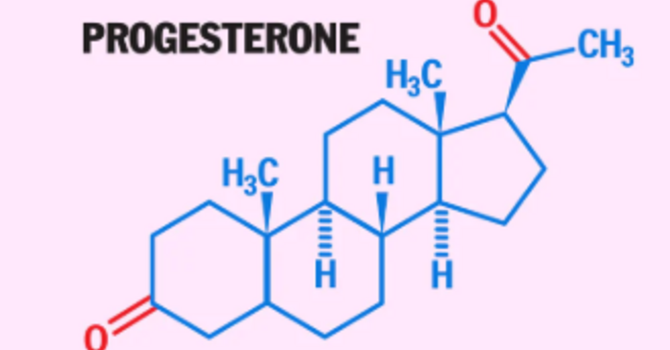
Progesterone has a calming effect on the nervous system. It does this by activating GABA receptors in the brain, the same receptors targeted by anti-anxiety medications like benzodiazepines. When progesterone declines in perimenopause, that built-in calming signal weakens. The nervous system becomes more reactive. Small triggers like a cup of coffee, a stressful email, or lying down at night can set off a cascade that feels like your heart is racing out of control.
Low progesterone also disrupts sleep. And poor sleep raises cortisol. And elevated cortisol directly stimulates the heart. This is why palpitations are so often worst at night and in the early hours of the morning, when the compounding effects of low progesterone, fragmented sleep, and elevated stress hormones all converge at once.
The Hot Flash and Palpitation Connection
If you have noticed that your heart palpitations often happen alongside or just before a hot flash, you are not imagining it. They share the same root cause.
Both hot flashes and palpitations are triggered by vasomotor instability, which is a disruption in your body's ability to regulate temperature and blood vessel tone, driven by falling estrogen. The hypothalamus controls body temperature and also communicates directly with the cardiovascular system. It becomes hypersensitive when estrogen levels drop. It overreacts to small changes, sending signals that dilate blood vessels, raise heart rate, and create the flushing, sweating, and pounding that many women experience as a single event.
Treating the hormonal root cause treats both.
Why You Were Told It Was Anxiety
The symptoms of perimenopausal heart palpitations and anxiety look almost identical from the outside. Racing heart, chest tightness, a sense that something is wrong, waking up in the middle of the night with your heart pounding. Without hormonal context, a doctor who has eight minutes with you will almost always land on anxiety, panic disorder, or stress.
There is also a diagnostic problem. By the time most women see a cardiologist, the palpitation has passed. The EKG is normal. The Holter monitor catches nothing significant. The conclusion is that nothing is wrong with your heart, which is true, but the conversation stops there instead of moving to hormones, where it should go next.
I want to be clear about something. If you are having chest pain, shortness of breath, palpitations that last more than a few minutes, or any symptom that feels severe, please get that evaluated by a cardiologist. Ruling out a true cardiac cause matters and I will always support women doing that. What I am saying is that once cardiac causes have been ruled out and you are a woman in your 40s or 50s, the next conversation should be about your hormones. And most of the time, it is not happening.
What Actually Helps
The most effective treatment for hormone-driven palpitations is restoring the hormones that are causing them.
When I start a patient on estradiol and estriol, the vasomotor instability that underlies palpitations typically improves significantly within the first few weeks. Progesterone, in particular, has a rapid calming effect on the nervous system that many women notice within days of starting it. Better sleep follows, which lowers cortisol, which further steadies the heart rate. The cascade works in your favor when you treat the root cause.
Beyond hormones, magnesium glycinate is the supplement I recommend most consistently for palpitations. Magnesium is essential for cardiac electrical stability and nerve function, and most women in perimenopause are not getting enough of it. Reducing caffeine and alcohol, particularly in the afternoon and evening, removes two common triggers that amplify an already reactive system. And addressing sleep, not with sleeping pills but by restoring the progesterone that makes real sleep possible, removes the cortisol driver that is fueling much of the nighttime racing.
What does not help, or helps only partially, is treating this as an anxiety disorder. Anti-anxiety medications and SSRIs may dull the sensation, but they do not address what is causing it. If your nervous system is dysregulated because your hormones are in freefall, the answer is not to sedate the nervous system. The answer is to restore what it is missing.
Frequently Asked Questions
Can perimenopause really cause heart palpitations? Yes, and it is more common than most women or doctors realize. Estrogen directly regulates the autonomic nervous system and cardiac electrical stability. When estrogen fluctuates and declines in perimenopause, palpitations, racing heart, and irregular beats are a recognized and well-documented consequence.
Should I see a cardiologist if I am having palpitations? Yes, at least once. Ruling out a true cardiac cause is always the right first step. But if your heart has been evaluated and nothing structural or electrical has been found, and you are a woman in perimenopause, the next conversation should be about hormones.
Why are my palpitations worst at night? Because that is when the compounding effects of low progesterone, poor sleep, and elevated cortisol converge. Progesterone supports the GABA system that calms the nervous system, and its absence is felt most acutely when you are trying to sleep and your body has no buffer against the cortisol spike that comes with fragmented rest.
Will HRT stop my palpitations? For most women whose palpitations are hormonally driven, yes, significantly and often quickly. Estrogen stabilizes the autonomic nervous system. Progesterone calms it. Most patients I treat for palpitations notice meaningful improvement within the first month.
What is the difference between hormone-driven palpitations and a real heart problem? Hormone-driven palpitations tend to be brief, often coincide with hot flashes or nighttime waking, and come with an otherwise normal cardiac workup. They also tend to improve with hormonal treatment. A true cardiac arrhythmia or structural problem will show up on testing and requires a different kind of treatment. Always rule out cardiac causes first. Then, if everything checks out and you are in perimenopause, ask the hormone question.
Is magnesium actually helpful for heart palpitations? Yes. Magnesium is essential for the electrical stability of cardiac muscle cells, and deficiency is a recognized contributor to palpitations. Magnesium glycinate is the form I recommend because it is well absorbed and tends not to cause the digestive side effects of other forms. It is not a substitute for hormone therapy when hormones are the underlying cause, but it is a meaningful and safe adjunct.
If your heart has been evaluated and cleared and nobody has talked to you about your hormones yet, that conversation is overdue. Book a complimentary discovery call at doctoranat.com. No commitment. Just a real conversation about what is actually going on.
Dr. Anat Sapan is a board-certified OB-GYN and menopause specialist practicing telemedicine in California, Florida, New York, and Illinois.

Anat Sapan MD
Contact Me