When I heard the news on February 12, 2026, my first thought was simple.
It is about time.
For those of us who have spent years in the trenches of hormonal medicine, treating women who were suffering, advocating for treatments we knew were safe, and watching our patients overcome their fear of a warning label that should never have existed, this moment was not a surprise. It was a vindication.
But for millions of women who have been avoiding hormone therapy for over two decades because of that warning, this is news that changes everything. And I want to make sure you understand exactly what happened, why it matters, and what you should do next.
What the FDA Actually Did
On February 12, 2026, the FDA officially approved labeling changes to menopausal hormone therapy products, removing risk statements related to cardiovascular disease, breast cancer, and probable dementia from the black box warning. The black box warning is the most serious safety alert the FDA can place on a medication, short of pulling it from the market entirely.
This warning had been on every estrogen-containing hormone therapy product since 2003. For over 20 years it told women, in the most alarming language the FDA has available, that hormone therapy could cause breast cancer, heart disease, and dementia.
That warning is now gone.
As FDA Commissioner Dr. Marty Makary stated at the announcement, tragically, tens of millions of women have been denied the life-changing and long-term health benefits of hormone replacement therapy because of a medical dogma rooted in a distortion of risk.
I could not have said it better myself.
Why That Warning Was There in the First Place
To understand why this matters so much, you have to understand where that warning came from.
In 2002 the Women's Health Initiative study published results suggesting that hormone therapy increased the risk of breast cancer, cardiovascular disease, stroke, and dementia. The FDA responded immediately with the black box warning and millions of women were taken off their hormones overnight.
What followed I call the hormone prohibition. A generation of women suffered unnecessarily through hot flashes, bone loss, cognitive decline, cardiovascular disease, and a dramatic reduction in quality of life because of fear instilled by a deeply flawed study.
Here is what was wrong with that study. The average age of women in the WHI was 63 years old, more than a decade past the average age of menopause. The hormone formulations used were synthetic, not bioidentical, and at doses no longer used in modern practice. Women were not screened for breast cancer before starting the study, meaning women who already had undetected breast cancer were included in the results. And the statistical methods used to claim significance have since been widely criticized by experts in hormonal medicine.
The WHI study did not just misrepresent the risks. It played with statistics to suggest there was a statistically significant increased risk of breast cancer when in fact they were comparing outcomes against other women in the same aging population. The baseline rate of breast cancer was already significant. Back in 2002 it was one in 11 women. Today it is one in seven. Breast cancer is common and we must screen for it. But attributing that risk broadly to hormone therapy without proper controls was a profound disservice to women everywhere.
The Water and the Weeds
I use an analogy with my patients that I think explains this better than any statistic.
All the water in the world will not grow weeds in your yard unless there are seeds there to begin with.
Hormones do not create breast cancer out of nothing. If an abnormal cell is already present, replicating, and unable to turn itself off, some hormones may accelerate that growth. But hormones did not cause that cell to become cancerous. And with annual mammogram screening, those cancers are detected earlier. We know that women on hormone therapy who are diagnosed with breast cancer tend to have less aggressive tumors detected at earlier stages before those cells have had time to replicate further and become more difficult to treat.
Bioidentical hormones are not the enemy. Untreated hormonal decline, combined with inadequate screening, is far more dangerous than the hormones themselves.
What the Science Actually Shows
The FDA's removal of this warning was not arbitrary. It followed a comprehensive review of the scientific literature, an expert panel convened in 2025, and a public comment period. What that review found is remarkable.
Women who initiate hormone therapy within 10 years of the onset of menopause, generally before age 60, may reduce their risk of cardiovascular disease by as much as 50%, Alzheimer's disease by 35%, and bone fractures by 50 to 60%.
Read those numbers again. A 50% reduction in cardiovascular disease risk. A 35% reduction in Alzheimer's risk. A 50 to 60% reduction in bone fractures. These are not small findings. These are life-changing, potentially life-saving numbers that were hidden behind a warning label for over 20 years.
A major study published in the BMJ in February 2026, involving nearly 900,000 women, found that hormone therapy is not associated with increased mortality risk regardless of how long it is taken. Women who had their ovaries removed and received hormone therapy had a mortality reduction of 27 to 34% compared to those who did not.
Think about what that means for the women who were taken off their hormones in 2002 and never went back. The bone fractures that could have been prevented. The cardiovascular events. The cognitive decline. The suffering that was entirely unnecessary.
It is a tragedy. And I am relieved that we can now begin to course correct.
What This Means for Vaginal Estrogen Specifically
One of the things I am most excited about with this announcement is the impact on vaginal estrogen. This is a low-dose, topical estrogen therapy that treats vaginal dryness, painful intercourse, and urinary symptoms that affect millions of women after menopause.
The black box warning had been applied to vaginal estrogen products as well, even though the systemic absorption of vaginal estrogen is minimal and the risk profile is entirely different from systemic hormone therapy. Older women especially were terrified to use it. I have seen many women who had been suffering for years with symptoms that vaginal estrogen could have easily resolved, but they refused because of the warning.
Vaginal estrogen can be safely prescribed to almost any woman. There is no good reason for women to be scared of it. And now the FDA has officially acknowledged that.
What About Bioidentical Hormones Specifically
This is where I want to add some important nuance as a clinician who uses bioidentical hormones exclusively in my practice.
Those of us in the bioidentical hormone community, the physicians who have been practicing this medicine for years and watching our patients thrive, have always been puzzled by the black box warning. We knew the science. We knew the difference between synthetic hormones and bioidentical ones. We knew that the WHI study did not represent the women we were treating or the hormones we were prescribing. And yet the warning sat there, scaring patients away from treatments that could genuinely help them.
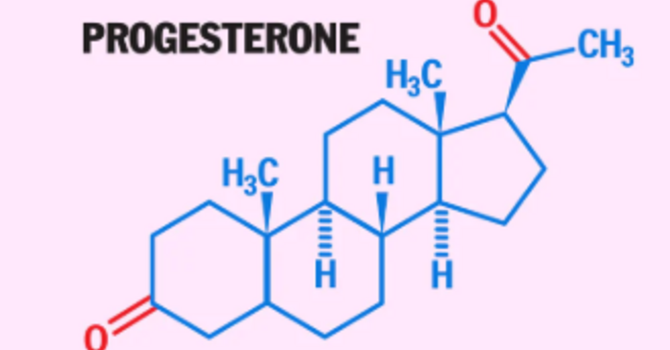
It is important to note that while the FDA removed warnings related to cardiovascular disease, breast cancer, and dementia, the warning for endometrial cancer on systemic estrogen-alone products in women with a uterus remains in place. This is why real progesterone, not synthetic progestin, is a critical part of any complete hormone protocol for women who have not had a hysterectomy. Real bioidentical progesterone protects the uterine lining. Synthetic progestin is a different compound entirely and is associated with increased breast cancer risk. They are not the same thing and this distinction matters enormously.
Additionally, oral estrogen carries a higher risk of blood clots than transdermal or topical delivery methods. This is not new information but it is worth repeating. The route of delivery of your hormones matters. In my practice I use transdermal and topical bioidentical hormones compounded in 100% organic oil precisely because this delivery method is safer and more effective than oral formulations.
What You Should Do Right Now
If you have been avoiding hormone therapy because of the black box warning, now is the time to have a real conversation with a physician who understands hormonal medicine.
If you started hormone therapy years ago and were taken off it because of the 2002 study, it may be worth revisiting that decision with updated information. Research suggests that the benefits of hormone therapy are most pronounced when initiated within 10 years of menopause onset, generally before age 60. But that does not mean women outside that window have no options. Every situation is individual and deserves individual evaluation.
If you are currently on hormone therapy and it is working for you, this announcement is simply validation that the approach we have been taking together is grounded in solid science.
And if you have friends or family members who have been living in fear of hormones because of something they heard in 2002, please share this with them. The science has changed. The FDA has acknowledged it. The hormone prohibition is over.
Frequently Asked Questions
Does this mean hormone therapy is completely safe for everyone? No treatment is completely safe for everyone and hormone therapy is no exception. Women with certain conditions including active breast cancer, unexplained vaginal bleeding, or a history of blood clots need individualized evaluation. What this announcement means is that the broad, sweeping warning that applied to all women regardless of age, timing, or individual circumstances has been removed because it was not supported by current science.
Does this apply to bioidentical hormones? The labeling changes apply to FDA-approved hormone therapy products. Compounded bioidentical hormones are regulated differently. However, the underlying science supporting the safety and benefits of hormone therapy applies broadly and informs how clinicians like myself approach bioidentical hormone prescribing.
I am over 60. Is it too late to start? The FDA's recommendation emphasizes starting within 10 years of menopause onset or before age 60 for optimal benefit. However this does not mean hormone therapy is never appropriate for women over 60. It means the risk-benefit calculation becomes more individualized. A thorough evaluation with a menopause specialist is the best way to determine what is right for your specific situation.
What is the difference between real progesterone and synthetic progestin? Real bioidentical progesterone is structurally identical to what your ovaries produce naturally. Synthetic progestin is a different compound entirely and is associated with increased breast cancer risk, which was part of what made the original WHI results so alarming. In my practice I use only real bioidentical progesterone, never synthetic progestin. The distinction between these two is one of the most important and most misunderstood differences in hormonal medicine.
What is the window of time to start hormone therapy? Current evidence supports initiating hormone therapy within 10 years of the onset of menopause or before age 60 for maximum cardiovascular, cognitive, and bone protection. This is called the timing hypothesis or the critical window. Starting earlier within this window appears to offer greater protective benefits. This is one of the strongest arguments for not waiting too long once symptoms begin.
Should I start hormone therapy now that the warning is removed? This is a decision that should be made between you and a physician who understands your full health history, your symptoms, and your goals. What I can tell you is that the fear that has kept millions of women from even having this conversation is no longer scientifically justified. You deserve accurate information and a real evaluation.
The Bottom Line
For over 20 years women were denied access to treatments that could have protected their brains, their bones, their hearts, and their quality of life, because of a warning based on flawed science applied to the wrong population using the wrong formulations.
That warning is gone.
I have spent my career treating women who were suffering and advocating for treatments I knew were safe and effective. This FDA announcement does not change how I practice. It simply means that the official regulatory position has finally caught up with what the science has been showing for years.
There is so much bad information still out there. There are still doctors who were trained in the shadow of the 2002 study and who still hesitate to prescribe hormone therapy. There are still women who walk into appointments afraid to even ask the question. I hope this announcement begins to change that.
If you are ready to have a real conversation about what hormone therapy could mean for your health, book a complimentary discovery call at doctoranat.com. We will talk through your symptoms, your history, and whether my approach is the right fit for you.
The hormone prohibition is over. It is time to reclaim your health.
Book your complimentary discovery call at doctoranat.com
Dr. Anat Sapan is a board-certified OB-GYN and menopause specialist, exclusively focused on personalized bioidentical hormone therapy for women in their 40s, 50s, and 60s. She serves patients via telemedicine in California, Florida, New York, and Illinois.

Anat Sapan, MD
Contact Me