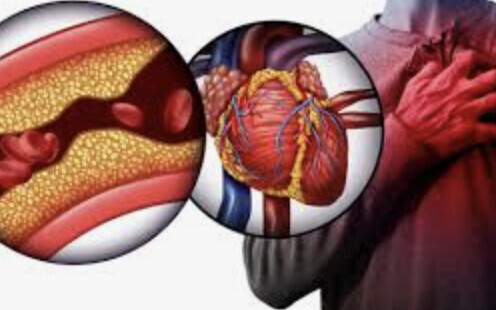
If you have ever been told that hormone therapy is bad for your heart, I want you to understand something important: that message came from a deeply flawed study, and the science has moved on significantly since then. What we now know is that the timing of when you begin estrogen therapy matters enormously. This is called the timing hypothesis, and it is one of the most important concepts in modern menopause medicine.
What the Women's Health Initiative Got Wrong
The Women's Health Initiative study, published in 2002, created decades of fear around hormone therapy. But the average age of women enrolled in that study was 63, many of them were already years past menopause with pre-existing cardiovascular changes. The study also used oral conjugated equine estrogen paired with synthetic progestin, not bioidentical hormones, and not transdermal delivery. When you look at younger, recently menopausal women who started estradiol within ten years of their final period, the picture is completely different. The data consistently shows that estradiol reduces cardiovascular risk in this population rather than increasing it.
The Critical Window: Why the First Ten Years Matter
Estrogen is profoundly cardioprotective. It keeps arterial walls flexible, supports healthy cholesterol ratios by raising HDL and lowering LDL, reduces inflammation, prevents arterial plaque buildup, and supports nitric oxide production, which helps blood vessels dilate properly. These effects are only possible when the endothelium, the lining of your blood vessels, is still healthy and responsive to estrogen signaling. Once significant atherosclerotic plaque has already developed, estrogen cannot reverse that damage. In fact, introducing estrogen at that stage may destabilize existing plaques. This is why starting hormone therapy early, ideally within the first ten years of menopause or before age 60, is protective, while starting very late can be neutral or potentially harmful in women who already have established cardiovascular disease. The KEEPS trial and the ELITE trial both confirmed this. Women who started estradiol close to menopause showed favorable effects on arterial health. Women who started more than ten years out did not see the same benefit. Timing is the variable that changes everything.
Transdermal Estradiol vs. Oral Estrogen
The form of estrogen matters as much as the timing. Oral estrogen undergoes first-pass metabolism in the liver, which can raise triglycerides, increase clotting factors, and elevate C-reactive protein. Transdermal estradiol bypasses the liver entirely. It delivers estradiol directly into the bloodstream through the skin, which means you get the cardiovascular benefits of estrogen without the hepatic side effects that drove many of the concerns in older studies. I use transdermal BiEst, a combination of estradiol and estriol, compounded in organic jojoba oil without fillers or synthetic preservatives. This approach gives your cardiovascular system the full benefit of estrogen support through receptors in the heart, blood vessels, and throughout the autonomic nervous system.
Progesterone, Testosterone, and DHEA: The Full Picture
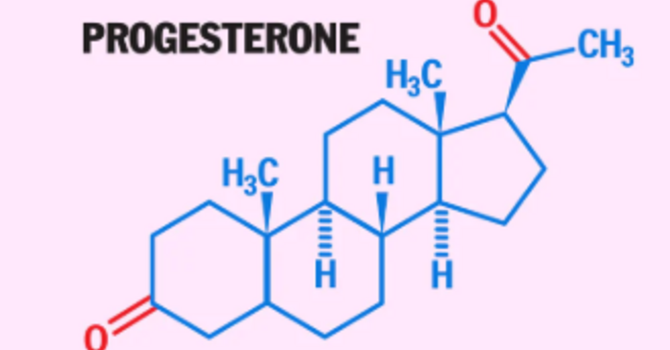
Heart protection from hormone therapy is not limited to estrogen. Natural bioidentical progesterone is vasodilatory and has been shown in research to be neutral or beneficial for cardiovascular risk, unlike synthetic progestins, which can negate many of estrogen's protective cardiovascular effects. This distinction is critical and is part of why I never use synthetic progestins. Testosterone also plays a meaningful role. Women with low testosterone have higher rates of metabolic syndrome, increased visceral fat, and greater inflammatory burden, all of which are cardiovascular risk factors. Restoring testosterone to an optimal physiological range supports lean body composition, insulin sensitivity, and energy in ways that directly benefit the heart. DHEA, which declines sharply after your mid-twenties, is the upstream precursor to both testosterone and estrogen. Low DHEA is associated with increased cardiovascular risk, greater systemic inflammation, and accelerated vascular aging. I include DHEA as part of a comprehensive hormone replenishment protocol because the research supports its role in long-term vascular and metabolic health.
What This Means for You
If you are in your 40s or early 50s and your doctor told you to wait before starting hormone therapy, I want you to understand what waiting actually costs. Every year without estrogen is a year your arterial walls become less supple, your cholesterol balance shifts in the wrong direction, and your metabolic risk increases. The window is not infinite. If you are already past 60 and have never used hormone therapy, that does not mean therapy is off the table. It means the conversation needs to be individualized, with a thorough evaluation of your cardiovascular baseline, your risk factors, and the safest approach for your specific situation. That is exactly the kind of conversation I have with every patient. Your heart is not separate from your hormones. It never was.
If your heart has been evaluated and cleared and nobody has talked to you about your hormones yet, that conversation is overdue. Book a complimentary discovery call
Dr. Anat Sapan MD is a board-certified OB-GYN and menopause specialist practicing telemedicine in California, Florida, New York, and Illinois.

Anat Sapan MD
Contact Me