I hear it every single day in my practice.
I have not slept properly in years. I wake up multiple times a night. I fall asleep fine and then at 2 or 3 in the morning my mind starts racing and that is it, I am done. I am so exhausted I cannot function through the day. It is affecting my work. It is affecting my relationships. I am ready to give up.
If any of that sounds familiar, I want you to hear this clearly.
You are not broken. You are not just stressed. And this is not simply what getting older feels like. For most women in their 40s, 50s, 60s, and beyond, disrupted sleep is hormonal. And hormonal problems have hormonal solutions.
Why Sleep Falls Apart During Perimenopause and Menopause
Studies show that 40 to 60% of women report sleep problems during the menopause transition, rising to over 70% in their late 50s. That is not a coincidence. That is biology.
The 3am waking that so many women describe is rarely caused by just one hormone. It is usually a combination of two distinct mechanisms working against you at the same time.
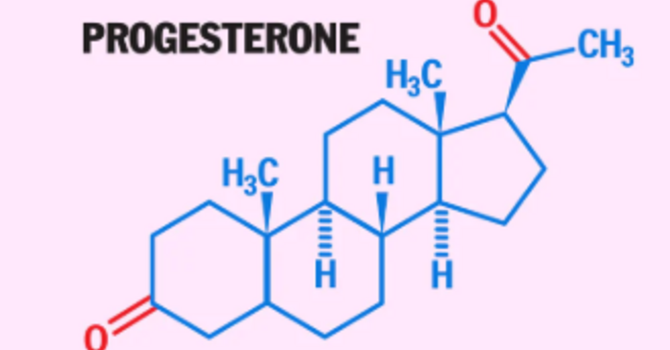
Progesterone is your body's natural calming hormone. It acts on GABA receptors in the brain, the same calming pathway that anti-anxiety and sleep medications target. As progesterone declines, that natural settling mechanism disappears. The result is lighter fragmented sleep and those characteristic middle of the night wakeups with a mind that will not stop.
Estrogen plays two separate roles in sleep that most women and most doctors do not fully appreciate.
First, estrogen directly regulates the hypothalamus, the part of your brain that controls body temperature. The hypothalamus is dense with estrogen receptors. When estrogen is adequate those receptors keep your internal thermostat stable. When estrogen declines the hypothalamus becomes dysregulated, triggering the hot flashes and night sweats that jolt you awake drenched at 2 or 3 in the morning. Early research suggests that about 60% of nocturnal hot flashes may cluster in the second half of the night, which lines up with what so many women describe: those 2 to 4am wakeups that feel impossible to sleep through.
Second, estrogen plays a critical role in how your body handles glucose and energy, including overnight. Estrogen supports insulin sensitivity and helps regulate how your liver stores and releases glucose. When estrogen declines, your system can become more prone to blood sugar swings. For some women, shifts in blood sugar during the night may trigger cortisol and adrenaline release, snapping you awake at 3am with a racing heart and a racing mind. It can feel exactly like anxiety. But often it is at least partly a hormonal and metabolic signal, not a psychological one.
This is why treating just one hormone rarely solves the sleep problem completely. A proper protocol addresses all of it.
What Most Women Tell Me in Their First Appointment
Women almost never come to me saying they have menopause-related insomnia. They say things like:
I am exhausted but wired. My body is tired but my brain will not shut off. I fall asleep but I wake up at 2 or 3 every single night and just stare at the ceiling. I wake up drenched and have to change my pajamas and then I cannot get back to sleep. I used to sleep like a rock. Now I wake up a million times and it never feels restorative. My eyes pop open at 4am and that is it, I am done for the night. I am not functioning. I am not myself. And it is affecting my relationship.
When I hear that cluster of symptoms together, especially alongside changing periods, new anxiety, brain fog, and low energy, I am almost always looking at the hormonal shifts of perimenopause and menopause. Not a sleep disorder. Not just stress. Hormones.
The Truth About Ambien and Trazodone
Many women come to me already on a sleep medication. Ambien, trazodone, sometimes both. My reaction is never judgment. When you have not slept properly in months or years, you do whatever it takes to survive. I understand that completely.
But here is what I want you to know.
These medications do not fix the underlying problem. Ambien and trazodone can help you fall asleep or stay asleep, but they affect the architecture of your sleep. And that matters enormously. Because being knocked out is not the same thing as restorative sleep.
Zolpidem in particular has been associated with next-day impairment and complex sleep behaviors, which is why the FDA specifically lowered the recommended dose for women. Women are more vulnerable to these effects than men, yet they are prescribed this medication at the same rate.
When we sleep, our body takes out the trash. It repairs tissue, consolidates memory, regulates hormones, processes emotion, and does the cellular maintenance that keeps us healthy and functioning. That process requires proper sleep architecture, cycling through the stages of sleep in the right sequence. Medications that sedate you can disrupt that architecture even while keeping you unconscious.
When a patient comes to me on a sleep medication I keep her on it. I do not pull the rug out from under someone who is already barely functioning. But I do it with a clear intention: we are going to work toward weaning off these medications as your hormones stabilize and your body relearns how to sleep on its own. The medication becomes a bridge, not a destination.
What Nobody Tells Women About Progesterone and Sleep
This is the thing I wish every woman understood before she ever picked up a prescription for Ambien.
Real bioidentical progesterone, taken at bedtime, is one of the most effective and physiologically aligned sleep supports we have for women in perimenopause and menopause. Not because it sedates you, but because it works the way your body was designed to work. It acts on GABA receptors in the brain, the same calming pathway that many sleep and anti-anxiety drugs target, but in a way that more closely mimics how your body is designed to function and, in studies, has not shown the same dependence or sleep architecture concerns seen with many sedative medications.
Research shows that menopausal hormone therapy that includes estrogen plus micronized progesterone can significantly improve sleep quality. In one small study, 86.7% of peri and postmenopausal women were poor sleepers at baseline, and their sleep scores improved significantly after starting estradiol plus oral micronized progesterone.
Micronized progesterone also appears to be more favorable for sleep than synthetic progestins in available studies. This is one of the many reasons why the distinction between real bioidentical progesterone and synthetic progestin matters so much in my practice.
Most women only understand the relationship between hormones and sleep after they start hormone therapy. That is when they say to me, oh, so that is what was happening. I just thought I had insomnia. They had no idea that a hormone they had never thought much about was the reason their brain would not quiet down at night.
Sleep Is One of the Four Pillars
I tell every patient the same thing. Hormones are the foundation. But sleep, nutrition, exercise, and stress management are the four pillars that make hormone therapy work the way it should.
Sleep is not a passive activity. It is one of the most metabolically active and essential things your body does every single day. When we consistently get poor or non-restorative sleep the consequences are real. Mood deteriorates. Cognitive function declines. Cardiovascular risk increases. Metabolic health suffers. Weight becomes harder to manage. The immune system weakens.
This is why I take sleep complaints seriously in every patient, not as a side complaint but as a central one.
Good Sleep Hygiene Still Matters
Even with the right hormone protocol, the basics of sleep hygiene matter and support the work we are doing together.
Consistent sleep and wake times every day including weekends. A cool dark room. Limiting screens in the hour before bed. Avoiding alcohol, which fragments sleep even if it helps you fall asleep initially. Avoiding high intensity exercise late at night. Morning light exposure to anchor your circadian rhythm. Magnesium in the evening to support nervous system relaxation.
None of these are revolutionary. But they create the environment your hormones need to do their job properly.
When Sleep Does Not Improve
Hormones are the most common driver of sleep disruption in this age group. But they are not always the only factor.
If someone's sleep does not improve with a proper hormone protocol, we need to look deeper. Sleep apnea, restless legs syndrome, chronic pain, thyroid dysfunction, blood sugar dysregulation, depression, anxiety, and medications that disrupt sleep can all contribute. Sleep is a complicated and multifactorial thing. A thorough evaluation looks at all of it.
What I will not do is declare the problem unsolvable or tell you this is just what getting older feels like. If your sleep is not where it needs to be, we keep looking until we find the answer.
What Restorative Sleep Actually Feels Like
Let me tell you a story about a patient, details changed for privacy.
She came to me in her late 40s and said if you can just help me sleep I do not care about anything else. She had been a great sleeper her whole life. Over the past two years she had started waking up between 1 and 3am almost every night, often drenched in sweat. Her periods were becoming irregular. Her mood was anxious and irritable. Her primary care doctor had prescribed trazodone. It helped for a few weeks and then stopped, leaving her groggy in the morning and no better at night.
We addressed her hormones with a titrating bioidentical protocol including estradiol, estriol, real bioidentical progesterone at bedtime, and testosterone. We worked on the sleep hygiene basics. We left the trazodone in place with a plan to taper once her sleep stabilized.
Within four to six weeks she called me and said I slept through the night twice this week. I woke up and actually felt rested. I cried in the shower because I forgot what that felt like.
By three months her hot flashes had largely resolved, she was waking once or not at all overnight, and she no longer needed nightly trazodone.
That is not a miracle. That is what happens when we treat the cause instead of just the symptom.
Frequently Asked Questions
Why do I wake up at 3am every night? Early morning waking during perimenopause and menopause is usually caused by a combination of factors. Declining progesterone removes the brain's natural calming mechanism, leading to lighter sleep and middle of the night wakeups. Declining estrogen disrupts hypothalamic temperature regulation, triggering nocturnal hot flashes that cluster in the second half of the night. Estrogen loss is also linked with more insulin resistance and more volatile blood sugar control. In some women, nighttime blood sugar swings can trigger cortisol and adrenaline, which can wake you abruptly with a racing heart and mind. It often feels exactly like anxiety, but it is frequently driven by a mix of hormonal and metabolic changes.
Is it safe to stay on Ambien or trazodone while starting hormone therapy? Yes. I never abruptly remove a sleep medication from someone who depends on it. The goal is to stabilize sleep through hormone therapy first and then work toward a gradual taper when the time is right. The aim is always restorative natural sleep, not indefinite reliance on medication.
Does hormone therapy really improve sleep? Yes. Multiple randomized trials and meta-analyses show that menopausal hormone therapy that includes estrogen and micronized progesterone can significantly improve sleep quality in symptomatic women. Most patients begin noticing improvements within the first few weeks of starting a proper protocol.
What if my sleep does not improve on hormone therapy? If sleep does not improve we look deeper. Sleep apnea, restless legs, thyroid dysfunction, blood sugar dysregulation, depression, anxiety, and certain medications can all contribute to sleep disruption. Hormones are the most common driver in this age group but they are not always the only factor. We keep investigating until we find the answer.
What is the difference between being sedated and restorative sleep? Sedation keeps you unconscious but does not guarantee proper sleep architecture. Restorative sleep cycles through the stages of sleep in the right sequence, allowing your body to repair, your brain to consolidate memory, and your hormones to regulate. This is why waking up after eight hours on a sleep medication and still feeling exhausted is so common. You were sedated but not truly restored.
Does estrogen affect blood sugar and sleep? Yes. Estrogen supports insulin sensitivity and helps the liver regulate glucose release during sleep. When estrogen declines the body can become more prone to blood sugar swings overnight. For some women these swings trigger cortisol and adrenaline release, causing abrupt waking at 3am with a racing heart and mind. This is one of the most underappreciated and underdiagnosed mechanisms behind menopausal sleep disruption.
If Your Sleep Has Changed, Your Body Is Telling You Something
You do not have to white-knuckle your way through exhaustion. You do not have to choose between sedation and suffering. And you do not have to accept that this is just your life now.
For most women in this age group the answer is hormonal. And hormonal problems respond to hormonal solutions when those solutions are complete, personalized, and properly delivered.
Book a complimentary discovery call at doctoranat.com. We will talk through your sleep, your symptoms, and whether my approach is the right fit for you.
Your body is asking for help. This is where you find it.
Book your complimentary discovery call at doctoranat.com
Dr. Anat Sapan is a board-certified OB-GYN and menopause specialist, exclusively focused on personalized bioidentical hormone therapy for women in their 40s, 50s, 60s, and beyond. She serves patients via telemedicine in California, Florida, New York, and Illinois.

Anat Sapan, MD
Contact Me