There is a conversation that plays out in exam rooms every single day across this country. A woman in her early to mid fifties walks in. She is having hot flashes, not sleeping, gaining weight around her midsection, and feeling like her heart is working harder than it used to. She asks about hormone therapy. Her doctor says no. Because of your heart. What that doctor is almost certainly referring to is the Women's Health Initiative, a large clinical trial whose results were published in 2002 and made international headlines. The WHI suggested that hormone therapy increased the risk of heart attack, stroke, and blood clots. Women were taken off hormones overnight. Doctors were told to stop prescribing them. A generation of women suffered through menopause unnecessarily. Here is what most doctors never updated their understanding to include: the WHI data has been reanalyzed, re-contextualized, and largely superseded by more than two decades of subsequent research. And what that newer research shows is considerably more nuanced than the headline your doctor still has stuck in their head.
What the WHI Actually Studied
The Women's Health Initiative enrolled women with an average age of 63. Many of them were more than ten years past menopause. Many had pre-existing cardiovascular risk factors. The regimens used were oral conjugated equine estrogen and medroxyprogesterone acetate, a synthetic progestogen, at doses that do not reflect how hormone therapy is typically prescribed today. In other words, the WHI studied older women, starting hormones late, using synthetic formulations, at doses that are no longer standard. Applying those findings to a 52-year-old woman who started a transdermal estrogen protocol at the beginning of perimenopause is not science. It is a category error.
What the Newer Data Actually Shows
A 2024 Swedish study using an emulated target trial design, meaning researchers constructed a comparison group from real-world data to mimic a randomized trial, looked at nearly one million women on contemporary hormone regimens. What did they find? No excess overall cardiovascular disease risk with modern oral or transdermal estrogen regimens compared to non-users. Transdermal formulations in particular looked cardiovascularly neutral. There was some increased risk of ischemic heart disease and blood clots seen with continuous combined oral regimens, which is consistent with what we already understood about oral estrogen's effect on liver-derived clotting factors. But transdermal estrogen bypasses the liver entirely, and that matters enormously. A 2026 review integrating WHI-era and modern data reinforced something called the timing hypothesis, which has now been updated to what researchers are calling timing hypothesis 2.0. The core finding is this: women who start hormone therapy within ten years of menopause or before age 60 show cardiovascular benefit or neutrality. Women who start late, more than ten years past menopause, in an already-inflamed vascular environment, may see different outcomes. This is not a technicality. It is a fundamental shift in how we understand the biology.
Route Matters. Dose Matters. Progestogen Choice Matters.
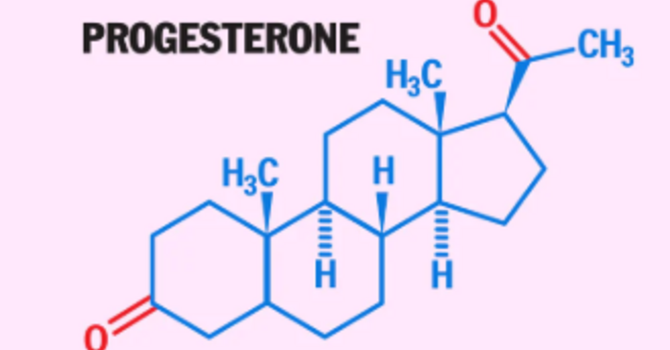
This is the part that most primary care physicians are not tracking because they are not specialists in this area. Oral estrogen undergoes first-pass metabolism in the liver, which stimulates production of clotting factors and can raise triglycerides and C-reactive protein. Transdermal estrogen, delivered through the skin directly into the bloodstream, skips the liver entirely. The cardiovascular risk profile is fundamentally different. Progestogen type also matters. Medroxyprogesterone acetate, the synthetic used in the WHI, has been shown to partially negate the beneficial vascular effects of estrogen. Micronized bioidentical progesterone does not carry those same liabilities and in some analyses appears to confer additional cardiovascular and sleep benefits. Lower doses, transdermal delivery, and bioidentical progesterone are not just marketing language. They represent genuinely different pharmacology.
What This Means for You
If you are in your early to mid fifties, within a decade of your menopause transition, with no significant pre-existing cardiovascular disease, the most current evidence does not support the reflexive no that so many women hear. If you have diabetes, hypertension, or elevated cardiovascular risk, your situation is more nuanced and deserves individualized attention rather than a blanket refusal. There are newer analyses specifically in high-risk groups that help frame risk-stratified decisions, and those conversations are exactly what a menopause specialist is trained to have with you. The cardiology argument against hormone therapy was never as strong as it was made to sound in 2002. In 2026, it has even less ground to stand on for appropriately selected women on contemporary regimens.
Frequently Asked Questions
Is hormone therapy safe for my heart? For women who are within ten years of menopause and under 60, contemporary transdermal estrogen regimens appear to be cardiovascularly neutral or beneficial based on current evidence. The risk picture is different for women who start late or who have significant pre-existing cardiovascular disease. This is a conversation that requires individualized assessment, not a blanket yes or no.
Why did my doctor say no because of heart risk? Most likely your doctor is applying the 2002 WHI findings, which have since been substantially reanalyzed and recontextualized. The WHI studied older women on synthetic formulations at doses and routes no longer considered standard. Applying those findings to a perimenopausal woman on a transdermal bioidentical protocol is a significant error in clinical reasoning.
Does the type of estrogen and progestogen matter? Yes, profoundly. Transdermal estrogen does not carry the same liver-mediated clotting risk as oral estrogen. Bioidentical micronized progesterone does not carry the vascular liabilities of synthetic progestogens. Route, dose, and formulation are not interchangeable.
What if I have diabetes or am at higher cardiovascular risk? Your case deserves a nuanced, individualized review with a menopause specialist, not a categorical refusal. There is newer data specifically in higher-risk groups that can inform a thoughtful risk-benefit conversation.
If you are ready to get individualized care that reflects where the science actually is, book a complimentary discovery call at doctoranat.com. No pressure, no commitment. Just a real conversation about where you are and what is possible.
Book your complimentary discovery call at doctoranat.com
Dr. Anat Sapan is a board-certified OB-GYN and menopause specialist, exclusively focused on personalized bioidentical hormone therapy for women in their 40s, 50s, 60s, and beyond. She serves patients via telemedicine in California, Florida, New York, and Illinois.

Anat Sapan, MD
Contact Me