You are in the middle of a meeting and a wave of heat rolls through your body from nowhere. Your face flushes. You start sweating. You want to take your jacket off but you also do not want anyone to notice. Two minutes later it is gone, and you feel almost embarrassed that it happened.
Or you wake up at 2am soaked. You kick off the covers. You lie there waiting for your body to regulate. You finally cool down enough to sleep, and then it happens again an hour later.
This is not a minor inconvenience. This is your body telling you something real. And the reason most women do not get relief is not that relief is impossible. It is that nobody explains what is actually happening or offers a real solution.
I want to do both of those things right now.
What Is Actually Happening When You Have a Hot Flash
A hot flash is not random. It is caused by something very specific happening in your brain.
When estrogen levels start to fluctuate and fall during perimenopause, an area of the brain called the hypothalamus is directly affected. The hypothalamus is your body's internal thermostat. It regulates body temperature by controlling your blood vessels, your sweat glands, and your heart rate.
Estrogen helps keep that thermostat stable. When estrogen declines, the thermostat becomes hypersensitive. It starts misreading tiny shifts in body temperature as major threats and overreacts. It sends an alarm signal throughout your body: dilate the blood vessels, send heat to the surface, start sweating. The result is the flush, the heat, the sweat, and then the chill that follows as your body overcorrects.
This is called vasomotor instability. It is a physiological event, not a psychological one. It is not stress. It is not anxiety. It is your brain responding to the loss of one of its key regulators.
Why Night Sweats Feel Different Than Daytime Hot Flashes
They are the same mechanism, but nighttime makes them worse for a specific reason.
When you sleep, your core body temperature naturally dips. That drop in temperature is supposed to be gentle and gradual. But when your hypothalamus is hypersensitive from low estrogen, that normal nightly dip can trigger a false alarm. Your brain reads it as dangerous cooling and fires back with a heat surge to compensate.
This is why you wake up soaked even when the room is cool. Your thermostat is malfunctioning, and the quiet of sleep gives it nothing to buffer against.
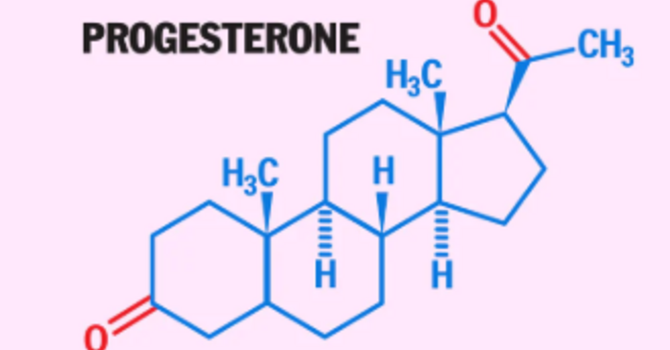
The other factor is progesterone. Progesterone calms the nervous system and supports deep, restorative sleep. When progesterone declines in perimenopause, sleep becomes lighter and more fragmented. A lighter sleeper is more vulnerable to being woken by a vasomotor event. So low progesterone makes you easier to wake, and low estrogen gives your body something to wake you with.
They work against you together.
Why Some Women Have Them for Years
Most women are told hot flashes last a year or two and then stop. That is not accurate for a lot of women.
Research tracking women through the menopausal transition has found that hot flashes can persist for seven to ten years or more. Women who begin having them in early perimenopause, when they still have regular periods, often have the longest duration. Women who are under chronic stress, who sleep poorly, or whose estrogen levels are particularly low tend to have the most severe and longest-lasting symptoms.
Race also plays a role. Black women statistically experience more frequent and more severe hot flashes than white women, and for longer. Hispanic and Asian women report different patterns too. This is not discussed enough, and I think every woman deserves to know it.
The idea that you just have to wait them out is one of the most harmful pieces of advice that gets passed along in conventional medicine. You do not have to wait. There are real solutions. The question is whether your doctor has offered them.
What Makes Them Worse
Before we talk about what helps, it is worth knowing what makes hot flashes worse, because some of these are controllable right now.
Alcohol is one of the most reliable triggers. Even one glass of wine in the evening can reliably worsen nighttime hot flashes for many women because alcohol causes vasodilation and disrupts sleep architecture.
Caffeine, particularly in the afternoon and evening, raises core body temperature and stimulates the nervous system in ways that make the hypothalamus even more reactive.
Spicy food, hot drinks, and very hot showers can act as direct triggers by raising skin temperature rapidly.
Chronic stress keeps cortisol elevated, which destabilizes the HPA axis and makes vasomotor symptoms worse. This is one of the reasons women in high-stress periods of their lives often report a sudden spike in hot flash frequency.
Poor sleep compounds everything. The worse you sleep, the more reactive your nervous system becomes, and the more frequently and intensely you will have hot flashes. It is a cycle that feeds itself.
What Actually Stops Them
The most effective treatment for hot flashes and night sweats is hormone therapy. This is not a controversial statement in the current research. It is well established, and the evidence is overwhelming.
Estrogen, specifically estradiol, directly stabilizes the hypothalamic thermostat. When you restore estrogen to a therapeutic level, the false alarms stop firing. Hot flashes reduce dramatically, often within two to four weeks of starting treatment, and for most women they stop almost entirely.
In my practice I use a combination of estradiol and estriol, which is called BiEst. I use these two estrogens together because they work on different receptors and provide broader protection than estradiol alone. They are compounded in organic jojoba oil with no synthetic preservatives, no parabens, and no petroleum-based fillers. The formula is applied topically so it absorbs through the skin and bypasses the liver, which keeps the risk profile clean.
Progesterone is just as important. Restoring progesterone addresses the sleep piece directly. Progesterone activates GABA receptors in the brain, the same pathway that calms the nervous system and promotes deep sleep. When progesterone is restored, sleep improves, cortisol drops, and the nighttime hot flashes that are worst in light sleepers become far less frequent.
Testosterone is the third piece that most protocols leave out entirely, and it matters here too. Testosterone receptors are present throughout the hypothalamus, the same area of the brain where vasomotor instability originates. Research has shown that testosterone can meaningfully reduce hot flash frequency and severity on its own, and that women on combined protocols including estrogen and testosterone often report better symptom control than those on estrogen alone. Testosterone also supports deeper sleep and reduces cortisol reactivity, both of which amplify nighttime hot flashes. This is why I include testosterone as part of my protocol from day one, not as an afterthought, but as a core part of the hormonal picture.
Most of my patients notice their hot flashes improving significantly within the first three to four weeks. Many tell me the night sweats are the first thing to go.
What About Non-Hormonal Options
Some women cannot use hormone therapy, or choose not to, and I respect that completely. There are non-hormonal options worth knowing about.
Fezolinetant, sold under the brand name Veozah, is an FDA-approved non-hormonal medication that works by blocking neurokinin B receptors in the hypothalamus, which are directly involved in triggering the vasomotor response. It is a meaningful option for women who are not candidates for hormone therapy.
SSRIs and SNRIs at low doses have some evidence behind them for reducing hot flash frequency, though they are not as effective as hormone therapy and come with their own side effects. Paroxetine is the only one FDA-approved specifically for this indication.
Magnesium, particularly magnesium glycinate, can reduce the severity of nighttime sweating for some women and supports sleep quality. It is not a substitute for hormones but it is a reasonable adjunct.
Cooling practices before bed, keeping the bedroom cold, moisture-wicking sleepwear, and avoiding alcohol and heavy meals in the evening can all reduce the frequency of nighttime events. These are not solutions, but they make the nights more manageable while you work on the root cause.
Why You Should Not Just Wait Them Out
Hot flashes are not only uncomfortable. They are associated with real long-term health consequences.
Research has found that women who experience frequent, severe hot flashes have higher rates of cardiovascular disease, lower bone density, and increased risk of cognitive decline compared to women who do not. Hot flashes are a signal that estrogen has dropped to a level where your brain and body are not being protected the way they were during your reproductive years.
Treating them is not cosmetic. It is not about comfort for its own sake. It is about protecting your brain, your heart, your bones, and your sleep, which affects everything else.
When a woman tells me she has been having hot flashes for three years and her doctor told her to wait it out, I think about three years of disrupted sleep, elevated cortisol, sleep deprivation, and cardiovascular risk accumulating quietly. That is three years that did not have to happen.
Frequently Asked Questions
How long do hot flashes last? On average, seven to ten years from the start of perimenopause, though this varies significantly. Women who begin experiencing them early in their transition tend to have them longest. Hormone therapy is the most effective way to stop them rather than waiting for them to resolve on their own.
Are hot flashes dangerous? Not acutely, but chronic, frequent hot flashes are associated with increased cardiovascular risk, bone loss, and cognitive changes over time. They are a signal worth taking seriously and treating, not just tolerating.
Can HRT stop hot flashes completely? For most women, yes. Estrogen is the most effective treatment available, with studies showing a 75 to 90 percent reduction in frequency and severity. Many of my patients stop having them almost entirely within the first month of treatment.
Why do I wake up soaked but feel fine during the day? Night sweats and daytime hot flashes share the same root cause, but nighttime makes them worse because your body temperature naturally drops during sleep, which triggers the hypersensitive hypothalamic thermostat. Low progesterone also makes sleep lighter, making you more vulnerable to being woken by vasomotor events.
I have tried HRT before and it did not help. Why? This is one of the most important questions I hear. When HRT does not work, the most common reasons are that the dose was too low, the formula was wrong, the delivery method was not absorbing well, or the titration process was skipped entirely. Hormone therapy is not one-size-fits-all. If it did not work before, it does not mean it cannot work. It means the approach needs to change.
Can testosterone help with hot flashes? Yes, and this surprises many women. Testosterone receptors are present in the hypothalamus, the area of the brain responsible for thermoregulation. Research has shown that testosterone can reduce hot flash frequency and severity, and women on combined protocols that include testosterone alongside estrogen often report better overall symptom control. Testosterone also supports sleep quality and reduces cortisol reactivity, both of which make nighttime symptoms worse when they are low. It is a meaningful part of the picture that most conventional protocols leave out entirely.
Is it safe to take HRT just for hot flashes? Yes, for the vast majority of healthy women. The old fears about HRT were largely driven by a 2002 study that used synthetic progestins and oral estrogen in older women. Modern bioidentical hormone therapy, started in perimenopause or early menopause, has a very different and much more favorable risk profile. The benefits for most women far outweigh the risks.
If you have been waiting out your hot flashes and night sweats, you do not have to keep waiting. Book a complimentary discovery call at doctoranat.com and let's talk about what is actually going on and what can be done about it.
Dr. Anat Sapan is a board-certified OB-GYN and menopause specialist practicing telemedicine in California, Florida, New York, and Illinois.